
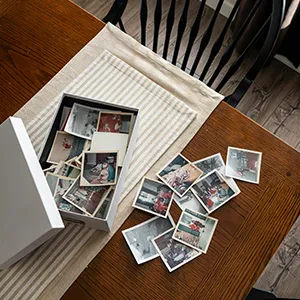
The Power of Time Capsules: Preserving Memories for Future Generations
In a world where technology advances rapidly, and our lives are captured in fleeting digital moments, time capsules stand as tangible links to our past. The concept of a time capsule is simple: a container filled with objects or messages meant to be opened in the future, often decades or even centuries later. But what makes these capsules so powerful is their ability to preserve memories for future generations. Whether personal mementos or community histories, time capsules serve as snapshots of our lives, offering a unique perspective of the world as it once was.
In Tom Sabino’s Time Capsules, the author invites readers to experience this profound concept through personal anecdotes and reflections. Sabino’s narrative brings a modern twist to the traditional idea of time capsules, exploring how those who come after us might perceive the objects we save today. In this blog, we’ll explore the significance of time capsules, delve into their rich history, and discuss how we can use them to preserve memories for future generations.
The History of Time Capsules: A Glimpse into the Past
Time capsules are not a new idea; they have existed for centuries. The concept dates back to ancient civilizations, where people would bury items to commemorate important events or to be uncovered by future generations. In fact, some of the earliest recorded time capsules can be traced to ancient Egyptian tombs. Pharaohs and wealthy individuals often included treasures, personal items, and even written messages intended for future explorers or archaeologists. These tombs acted as capsules, preserving the cultural essence of their time.
One of the most notable time capsules in American history is the 1795 time capsule found in the Massachusetts State House. It was originally placed there by Paul Revere and Samuel Adams, and after more than two centuries, it was unearthed in 2014. The capsule contained coins, newspapers, and a written history of the time period, offering a fascinating insight into late 18th-century life.
The 20th century saw a boom in the popularity of time capsules. Many were created to mark significant events such as World Fairs, national anniversaries, and other milestones. One of the most famous examples is the 1960s “Future of the World” time capsule, buried in Philadelphia. The capsule, set to be opened in 2048, includes items ranging from the era’s technology to cultural artifacts. As society progresses, these capsules remain windows into how we lived and thought at a particular moment in time.
Preserving Personal Memories: A Window into Our Lives
While time capsules have traditionally been used to preserve public or national memories, they also play a crucial role in personal histories. Tom Sabino’s Time Capsules touches upon how individuals can use this concept to encapsulate their own life stories. By creating personal time capsules, people can save letters, photographs, trinkets, and other meaningful items that capture who they are at a specific moment. These capsules can serve as precious gifts to future generations, offering a glimpse into their ancestors’ lives.
Imagine a time capsule filled with items that represent 2026—perhaps a smartphone, a popular book like Time Capsules, photos of family vacations, or even a heartfelt letter to future children or grandchildren. In a few decades, when this capsule is opened, these objects will have gained new significance, not just as personal memories but as cultural artifacts, telling the story of a bygone era.
In Sabino’s reflections in the book, he discusses how the objects we choose to save are not merely physical items but representations of our thoughts, beliefs, and dreams. As time capsules are unearthed, they allow people to reconnect with their personal histories, offering a sense of continuity and belonging in an ever-changing world.
Community Time Capsules: Preserving Collective History
Time capsules are not just for individuals; they also serve as a powerful tool for communities to preserve their collective history. Many towns and cities have created time capsules as part of public celebrations or significant events, such as centennials, city dedications, or the dedication of historical landmarks. These community capsules often include local newspapers, photographs, and even personal items from residents.
By doing so, these communities are not just preserving memories for their future generations but also for the future of their town or city. It becomes a way for a community to reflect on where it has come from, how it has evolved, and what values were important to its residents at a particular moment in time. Opening a community time capsule provides a powerful connection to the past, reminding us of the traditions, struggles, and triumphs that have shaped our collective identity.
Sabino’s Time Capsules explores this notion, using his own experiences to highlight how a community’s shared history can transcend generations. It’s a reflection on how the seemingly small moments in life, our interactions, our local traditions, can have a lasting impact when preserved for posterity.
How to Create Your Own Time Capsule
Creating your own time capsule is a simple and meaningful way to preserve memories. Here are some tips to help you get started:
- Choose Your Capsule: A time capsule can be anything from a sturdy metal container to a wooden box. The most important factor is to ensure it’s durable enough to withstand the test of time.
- Select Meaningful Items: Think about what you want to preserve. Choose items that reflect your current life, interests, and memories. This could include photos, letters, a newspaper from the day, personal mementos, or even a USB drive with a digital record of your life.
- Write a Letter: Consider writing a letter to your future self or to future generations. What advice would you give them? What hopes do you have for the future?
- Seal and Bury: Once you’ve chosen your items, seal them inside your container. The location where you bury it should be carefully chosen; some opt for their backyard, while others choose a significant public spot.
- Mark the Date: Don’t forget to note when the capsule should be opened! A common practice is to open time capsules 20, 50, or even 100 years later. Ensure the date is marked clearly on the outside.
The Legacy of Time Capsules
In our fast-paced, digital world, it’s easy to forget the importance of preserving memories in tangible form. Time capsules remind us that some things are worth saving, not just for ourselves but for the future. Whether personal or communal, creating a time capsule is a powerful reminder that the moments we live today will one day be cherished by future generations.
As Time Capsules by Tom Sabino shows, it’s not just about the items inside the capsule, but the stories they tell. In a world that is constantly changing, these capsules serve as a bridge, connecting past, present, and future. By creating your own time capsule, you are not just preserving memories; you’re creating a legacy that will endure, bringing future generations closer to who we were, what we valued, and what we hoped for.
In a world where everything feels fleeting, time capsules provide a sense of permanence, a lasting connection to the past, and an enduring reminder of the power of memory.